Top 10 BMS Factories In America: 2026 Guide
22,Apr 2026


Modern golf cars are increasingly powered by advanced LiFePO4 (Lithium Iron Phosphate) batteries with sophisticated Battery Management Systems (BMS). These systems are revolutionizing performance, safety, and longevity in the golf car industry. Whether you're a golf course manager, maintenance professional, or EV enthusiast, understanding how a golf car LiFePO4 BMS works can help you make informed decisions about your fleet's power systems.

A Battery Management System (BMS) is the intelligent control center for your golf car's LiFePO4 battery pack. It monitors, manages, and protects the battery cells to ensure optimal performance, safety, and longevity. Unlike simple lead-acid batteries, lithium batteries require sophisticated management to function properly and safely.
The BMS ensures all cells in the battery pack maintain similar voltage levels. This prevents individual cells from overcharging or over-discharging, which can lead to premature failure or safety issues.
Temperature monitoring and control are critical for LiFePO4 batteries. The BMS tracks temperature across the pack and can adjust charging rates or shut down the system if temperatures exceed safe limits.
Advanced algorithms track the battery's charge level with precision, providing accurate information to the user and preventing harmful deep discharges.
The BMS includes multiple safety features that protect against overcurrent, short circuits, overcharging, over-discharging, and temperature extremes.

Understanding the differences between modern LiFePO4 systems and traditional lead-acid batteries helps explain why the investment in lithium technology with BMS is worthwhile for golf car applications.
| Feature | LiFePO4 with BMS | Traditional Lead-Acid |
| Cycle Life | 3,000-5,000+ cycles | 300-500 cycles |
| Depth of Discharge | 80-100% (safe) | 50% (recommended maximum) |
| Weight | 60-70% lighter | Heavy |
| Charging Time | 1-2 hours | 6-8 hours |
| Maintenance | Minimal to none | Regular (water, cleaning) |
| Monitoring System | Advanced BMS with diagnostics | Basic voltage indicator |
| Temperature Performance | Wide operating range with BMS protection | Poor in cold conditions |


A quality golf car LiFePO4 BMS extends battery life by preventing damaging conditions. While lead-acid batteries typically last 2-3 years, LiFePO4 batteries with proper BMS can last 8-10 years or more, reducing replacement frequency and total ownership cost.
10+ Year Potential
LiFePO4 chemistry is inherently safer than other lithium technologies, and the BMS adds multiple layers of protection. It prevents thermal runaway, monitors for short circuits, and can disconnect the battery if unsafe conditions are detected.
Multi-Layer Protection
Golf cars with LiFePO4 BMS deliver consistent power throughout the discharge cycle. Unlike lead-acid batteries that lose power as they discharge, lithium systems maintain full power until nearly depleted, ensuring consistent acceleration and hill-climbing ability.
Consistent Power
LiFePO4 batteries are significantly lighter than lead-acid equivalents—often 60-70% lighter for the same capacity. This weight reduction improves efficiency, extends range, reduces wear on mechanical components, and can improve course turf protection.
60-70% Lighter
Modern golf car LiFePO4 BMS systems provide detailed information about battery health, usage patterns, and potential issues. This data helps with fleet management, preventive maintenance, and optimizing charging schedules for maximum battery life.
Smart Monitoring
LiFePO4 batteries have a lower environmental footprint than lead-acid batteries. They contain no lead or acid, have a longer service life (reducing waste), and are increasingly recyclable as lithium battery recycling infrastructure develops.
Eco-Friendly

A golf car LiFePO4 BMS consists of several specialized components working together to ensure optimal battery performance and safety. Understanding these components helps in troubleshooting and making informed purchasing decisions.

The brain of the BMS, this processor runs algorithms that monitor and control all aspects of battery operation. In golf car applications, the MCU is typically programmed with parameters specific to the vehicle's power requirements and usage patterns.
These circuits measure individual cell voltages with high precision (typically ±5mV). For a 48V golf car battery, the BMS monitors 16 cells in series, ensuring each maintains proper voltage levels during charging and discharging.
Multiple NTC thermistors are strategically placed throughout the battery pack to monitor temperature. Golf car BMS systems typically include 3-5 sensors to ensure comprehensive thermal monitoring in various operating conditions.
A high-precision hall effect sensor measures current flow in and out of the battery. Golf car BMS systems typically support 100-300A continuous current with peak capabilities of 400-600A for hill climbing.
These circuits redistribute energy between cells to maintain balance. Golf car BMS typically uses passive balancing with 100-200mA capacity, sufficient for the regular charging cycles of daily golf car use.
Modern golf car BMS systems include CAN bus, Bluetooth, or other interfaces to communicate with displays, chargers, and motor controllers, enabling smart features and diagnostics.

Our comprehensive technical guide explains every component of a golf car LiFePO4 BMS and how they work together to protect your investment.
Download Complete BMS Guide

While LiFePO4 batteries with BMS require significantly less maintenance than lead-acid systems, following these best practices will maximize performance and lifespan:
Check battery terminals for corrosion quarterly
Inspect cable connections for tightness and damage
Verify ventilation openings are clear of debris
Examine mounting brackets for security
Keep BMS firmware updated when available
Update companion apps or monitoring software
Check manufacturer websites for updates quarterly
Always use the manufacturer-recommended charger
Charge in moderate temperatures (50-85°F ideal)
Allow cooling time after heavy use before charging
Avoid frequent partial charges; occasional full cycles are beneficial
Store at 40-60% charge for long-term storage
Check charge level every 3-6 months during storage
Store in cool, dry conditions (40-70°F ideal)
Disconnect auxiliary loads during storage
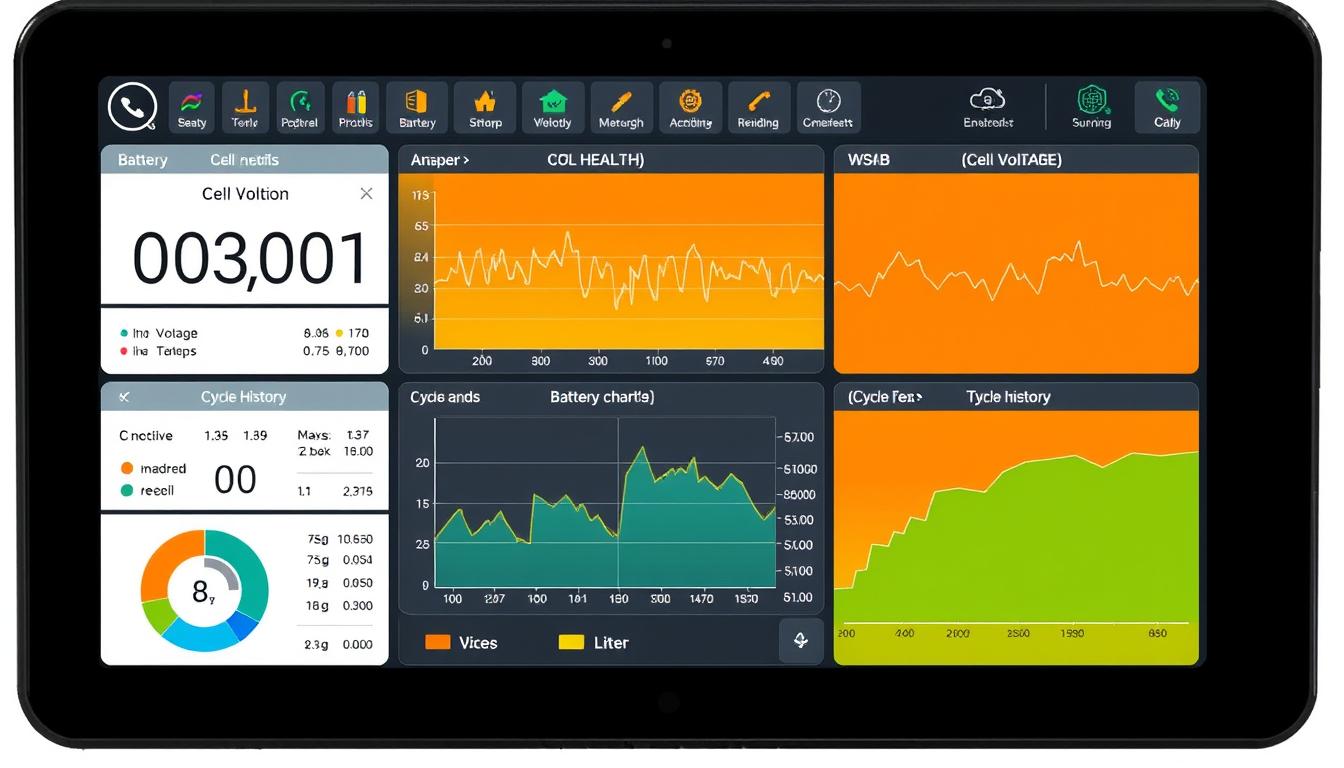
Many advanced golf car LiFePO4 BMS systems log performance data. Periodically downloading and reviewing this data can help identify potential issues before they become problems. Look for trends in cell balance, charging efficiency, and temperature patterns.
Yes, most older golf car models can be retrofitted with LiFePO4 batteries and BMS. However, compatibility depends on several factors:
The motor controller may need recalibration or replacement
The charger must be compatible with lithium chemistry
Physical space and mounting considerations
Wiring harness modifications may be necessary
Professional installation is recommended for retrofits to ensure proper integration with existing systems.
Temperature significantly impacts LiFePO4 battery performance and safety. The BMS manages these effects by:
Limiting charging current in cold temperatures (typically below 32°F/0°C)
Preventing charging in extreme cold (typically below 14°F/-10°C)
Reducing discharge current in high temperatures (above 113°F/45°C)
Shutting down the system in extreme heat (above 140°F/60°C)
Some advanced systems include heating elements for cold weather operation.
When a cell fails in a LiFePO4 battery pack, the BMS responds in several ways:
It detects the voltage imbalance between cells
Depending on severity, it may limit current or shut down the pack
It triggers warning indicators or error codes
In some systems, it can isolate the failed cell
Cell failure is rare in quality LiFePO4 batteries but can occur due to manufacturing defects, physical damage, or extreme conditions. The BMS prevents cascading failures that could affect other cells.
Yes, the BMS can typically be replaced independently of the battery cells if it fails. However:
The replacement BMS must be compatible with your specific battery configuration
BMS replacement requires technical knowledge of high-voltage systems
Manufacturer warranties may be voided by third-party BMS installation
Professional installation is strongly recommended for safety
Some manufacturers offer BMS replacement services or sell replacement units with installation instructions.
Many modern golf cars feature regenerative braking, which converts kinetic energy back into stored electrical energy. The BMS manages this process by:
Monitoring incoming current during regeneration
Limiting regenerative current based on battery state of charge
Preventing overcharging by reducing or disabling regeneration when the battery is near full
Balancing cells during regenerative charging
This functionality extends range and battery life while ensuring safe operation.

Field testing and real-world implementation have demonstrated significant performance improvements when upgrading to LiFePO4 batteries with advanced BMS technology.

Mountain View Golf Club in Colorado upgraded their 75-cart fleet from lead-acid to LiFePO4 batteries with advanced BMS in 2021. After 18 months of operation:
Energy consumption decreased by 37%
Maintenance calls reduced by 82%
Cart availability increased from 92% to 99.5%
Projected ROI achieved in 2.4 years
Extended operating season by 6 weeks due to better cold weather performance
4.8
Overall Performance
Range Extension
4.5/5
Hill Climbing Power
4.8/5
Charging Speed
5.0/5
Cold Weather Performance
4.3/5
Maintenance Reduction
4.9/5

LiFePO4 batteries with advanced BMS technology represent the current gold standard for golf car power systems. The combination of extended lifespan, improved performance, reduced maintenance, and enhanced safety makes them an increasingly popular choice despite the higher initial investment.
As technology continues to advance, we can expect to see further improvements in BMS capabilities, including more sophisticated diagnostics, wireless monitoring, and integration with course management systems. The trend toward lithium power systems in golf cars mirrors the broader shift toward electrification in transportation, with similar benefits in efficiency, performance, and environmental impact.
For golf course operators, fleet managers, and individual owners, understanding the role and benefits of a golf car LiFePO4 BMS is essential for making informed decisions about power system upgrades and maintenance.
Our team of experts can help you select the right LiFePO4 battery system with advanced BMS technology for your specific needs and budget.